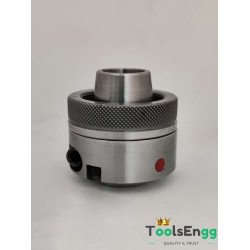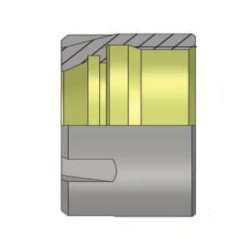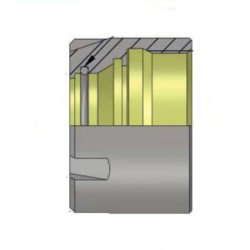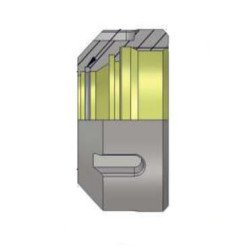
Nuts
Nuts are essential components in collet chuck assemblies, used to secure the collet and generate the clamping force required to hold the cutting tool firmly in position. In precision machining, the quality of the nut directly influences clamping reliability, tool stability, and the overall performance of the tool holding system.
Whether used in standard ER collet chucks or other collet-based holding systems, a properly manufactured nut helps ensure smooth collet seating, accurate clamping action, and dependable tool retention. Good nut design also contributes to reduced vibration, improved concentricity, and better spindle performance, especially in higher-speed applications.
Engineering Highlights
- Primary Function: Secures the collet in the chuck and applies the clamping force needed to hold the tool.
- System Role: An important part of the complete tool holding assembly, influencing clamping smoothness and stability.
- Compatibility: Must match the collet system, chuck thread, and nut profile exactly.
- Performance Impact: Nut quality affects tool run-out, vibration behavior, and operating reliability.
Key Features
- Designed for secure and repeatable collet clamping in machining applications.
- Supports proper collet seating for dependable tool grip and improved process stability.
- Available in different styles and configurations to suit various chuck systems and machine requirements.
- Suitable for general-purpose machining as well as precision and higher-speed operations when properly matched.
- Helps maintain consistent tool holding performance during milling, drilling, boring, and related machining processes.
Typical Applications
Nuts are used with collet chucks in CNC machining centers, milling machines, drilling machines, routers, and tool room setups where reliable tool clamping is required. They are commonly paired with ER collets and similar collet systems for holding drills, end mills, reamers, and other cylindrical shank tools.
In precision machining, the nut must be selected not only for size compatibility but also for application requirements such as coolant delivery, high-speed balance, and available tightening space.
Technical Guidance
| Parameter | Engineering Guidance |
|---|---|
| Thread & Profile Match | The nut must match the chuck thread and nut design exactly. Incorrect fitment can cause poor clamping, thread damage, or unsafe assembly. |
| Collet Seating | Proper engagement between the nut and collet is critical. The collet should be correctly snapped into the nut before tightening to ensure proper clamping action. |
| Balance Consideration | For higher spindle speeds, balanced nuts are preferred because poor balance can increase vibration, affect surface finish, and place additional stress on spindle bearings. |
| Coolant Requirement | Some nut designs are intended for standard use, while others are made for coolant-through applications. The correct type should be chosen based on the machining setup. |
| Maintenance | Keep the threads, collet seat, and contact surfaces clean and undamaged. Worn or deformed nuts can compromise clamping force and reduce machining accuracy. |