Spanners
Spanners are essential setup tools used for tightening and loosening collet nuts, coolant accessories, and other tool holding components in CNC machining systems. They play a critical role in achieving secure assembly, controlled handling, and efficient maintenance of tool holders, collets, and related accessories.
In precision machining, the correct spanner helps prevent slipping, protects the nut profile, and supports safer workshop practices during tool changes. Whether used for ER collet chucks, coolant tube fittings, or general tool holder accessories, a properly matched spanner contributes to reliable clamping and more efficient setup operations.
Engineering Highlights
- Primary Function: Used for tightening and loosening nuts and accessories in tool holding assemblies.
- Fitment Importance: Must match the exact nut type, profile, or accessory design for safe and effective use.
- Workshop Role: Supports quick tool changes, maintenance tasks, and controlled assembly operations.
- Protection Benefit: Helps reduce damage to nuts, holders, and accessory components when the correct type is used.
Key Features
- Designed for dependable grip and controlled force during tool assembly and disassembly.
- Suitable for use with various tool holding systems, including ER collet chucks and related accessories.
- Helps improve setup efficiency in CNC machining, tool room, and maintenance environments.
- Reduces the risk of slipping or damaging clamping nuts when properly matched to the component.
- Available in different types and sizes to suit various nut profiles, access conditions, and holder configurations.
Typical Applications
Spanners are widely used in CNC machining centers, milling machines, router setups, tool presetting stations, and workshop maintenance areas where collet chucks and tooling accessories require regular tightening or removal. They are especially useful for assembling tool holders before loading them into the machine and for routine servicing of nuts, seals, and coolant-related components.
Depending on the design, spanners may be used in open-access or restricted-access areas, making them a basic but highly important part of professional tooling practice.
Technical Guidance
| Parameter | Engineering Guidance |
|---|---|
| Correct Size Selection | The spanner must match the exact nut size or accessory profile to ensure proper contact and safe application of force. |
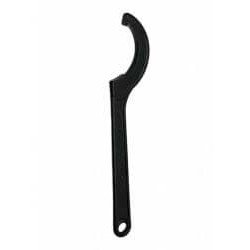
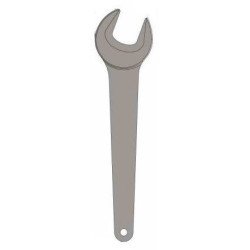
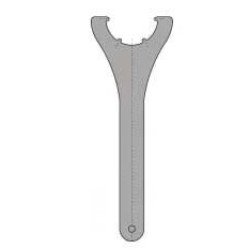
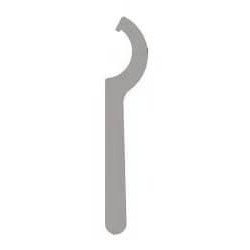
| Access Type | Different spanner forms are used depending on available space around the holder, such as standard, hook, or compact types for restricted access. |
| Torque Practice | Spanners are often used for initial tightening and loosening, but critical clamping applications should follow the recommended torque method whenever specified. |
| Component Protection | Using an improper or oversized spanner can damage nut edges, slip under load, and compromise safe handling during tool setup. |
| Maintenance | Keep the spanner clean, undamaged, and free from worn gripping surfaces to ensure consistent engagement and dependable workshop use. |